
Arthroscopy
Keyhole surgery to diagnose and treat knee problems with precision — small incisions, faster healing, and less disruption to healthy tissue.
What Is Knee Arthroscopy?
Knee arthroscopy is a minimally invasive surgical procedure in which Dr. Verma inserts a small camera (arthroscope) through tiny keyhole incisions to visualise the inside of the knee joint. It is used both as a diagnostic tool — to identify the exact source of pain or instability — and as a therapeutic procedure to treat conditions such as meniscus tears, cartilage damage, loose bodies, and ligament injuries. Because the incisions are small and surrounding tissue is largely undisturbed, patients experience significantly less post-operative pain, a shorter hospital stay, and a faster return to daily activities compared to open surgery.
Dr. Verma on Arthroscopy
Hear directly from Dr. Rajesh Verma about how arthroscopy works and who benefits most.
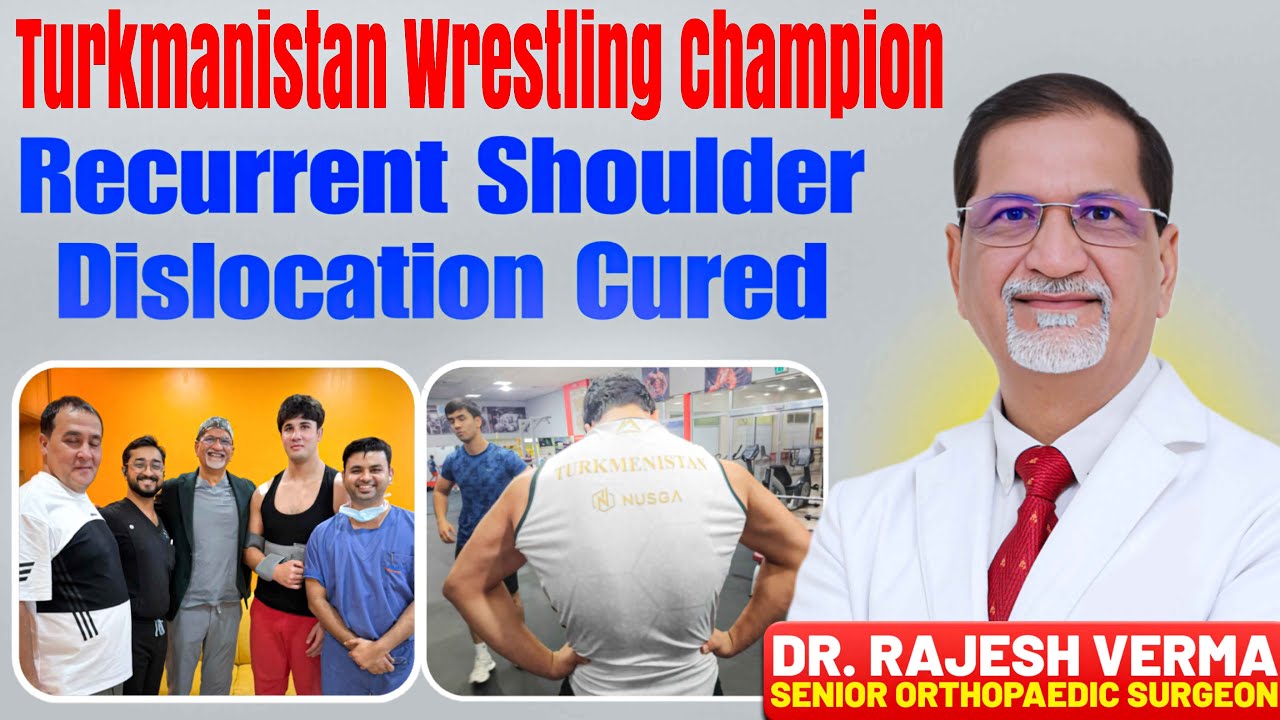
Watch on YouTube
Arthroscopy — Dr. Rajesh Verma
Who Is a Candidate?
Meniscus tears causing pain, locking, or swelling
Cartilage damage or chondral lesions
Loose bodies (bone or cartilage fragments) in the joint
Synovitis or persistent joint inflammation
Ligament injuries requiring assessment or repair
Patients where MRI findings are inconclusive
Why Choose Arthroscopy
Keyhole Incisions
Tiny 5mm incisions mean minimal scarring and significantly less post-operative discomfort.
Faster Recovery
Most patients are walking the same day and return home within 24 hours of surgery.
Diagnostic Precision
Direct visualisation of the joint provides definitive diagnosis where imaging alone is inconclusive.
Simultaneous Treatment
Diagnosis and treatment are performed in a single procedure, avoiding the need for a second surgery.
Less Blood Loss
Minimal tissue disruption results in very low intraoperative blood loss and reduced risk.
Preserves Healthy Tissue
Surrounding healthy cartilage, ligaments, and bone are left completely undisturbed.
What to Expect
Consultation & Imaging
X-rays and MRI are reviewed to plan the procedure and confirm the suspected diagnosis.
Pre-operative Preparation
A brief pre-operative assessment ensures you are fit for surgery. The procedure is usually performed under spinal or general anaesthesia.
Surgery (30–60 min)
Dr. Verma makes two or three small incisions, inserts the arthroscope and instruments, and addresses the identified problem under direct vision.
Recovery Room
You will be monitored for 1–2 hours post-surgery. Most patients are comfortable and mobile within a few hours.
Discharge & Rehabilitation
Home the same day or the following morning. A structured physiotherapy programme begins within days to restore strength and range of motion.
Common Questions
Ready to Take the Next Step?
Book a consultation with Dr. Rajesh Verma and find out which treatment is right for you.